One repertoire view, not five spreadsheets
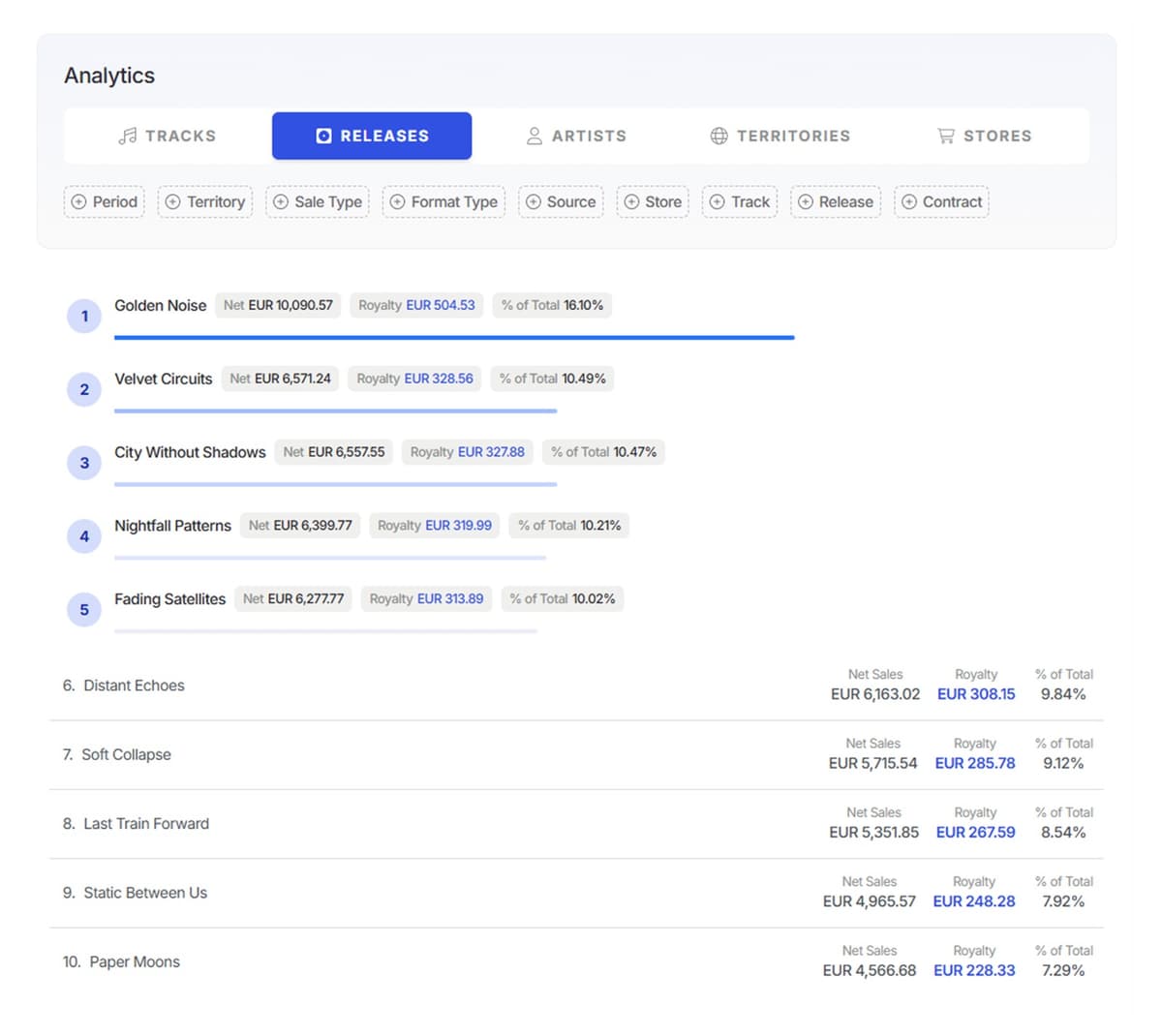
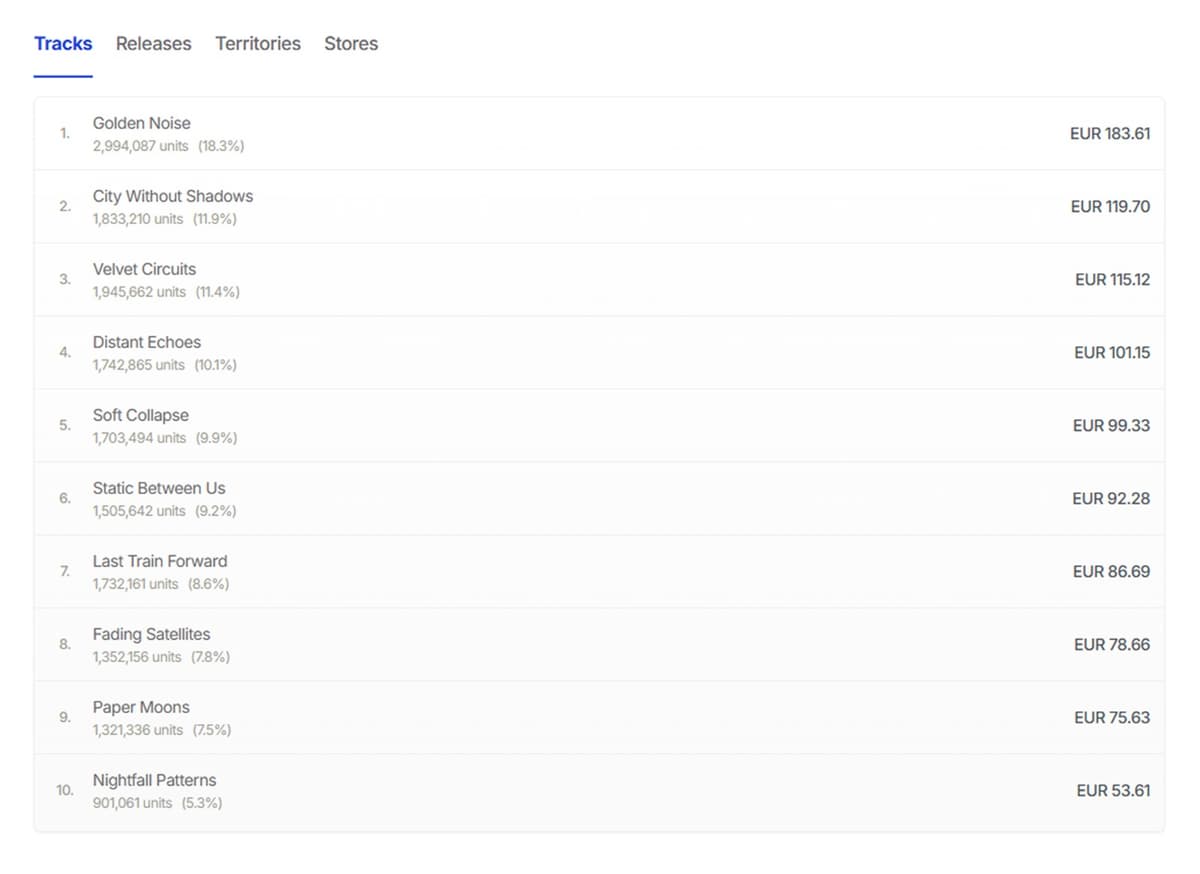
A catalog lives in layers — works, recordings, releases, and the ownership structures that connect them to people who get paid. Qlero tracks all of it centrally, so "who owns what share of which recording on which release" is a lookup, not an investigation across tabs. That single view is what teams describe wanting when they ask for a clean overview they can actually work.
Catalog data is royalty data
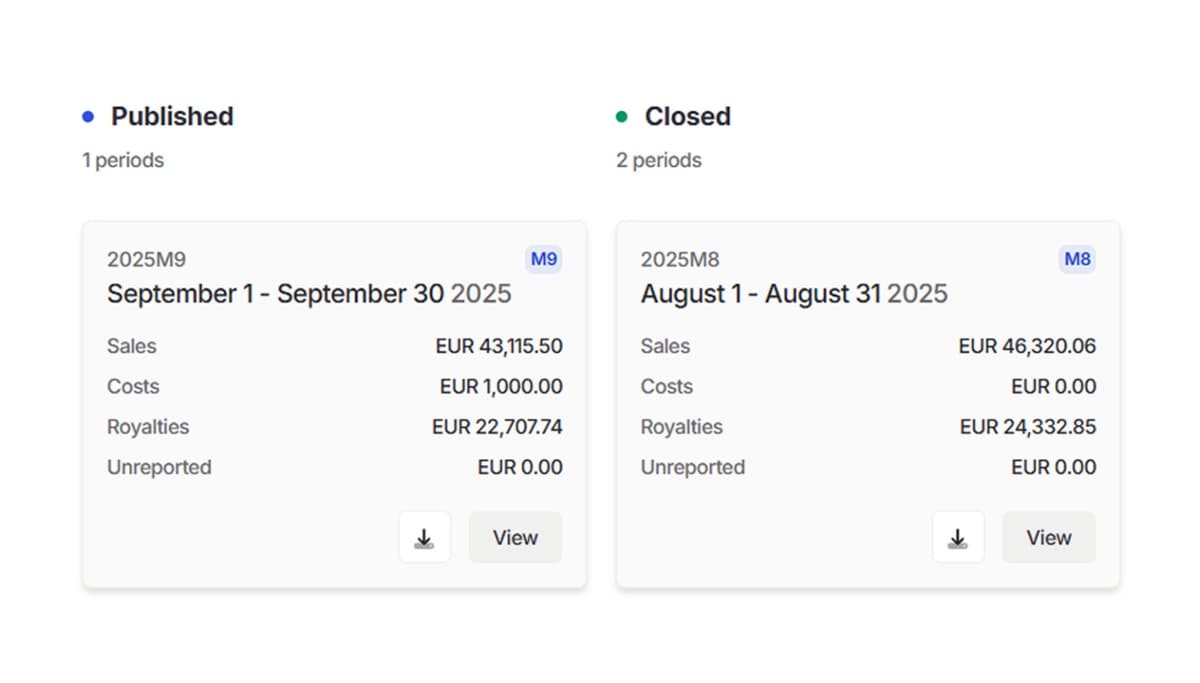
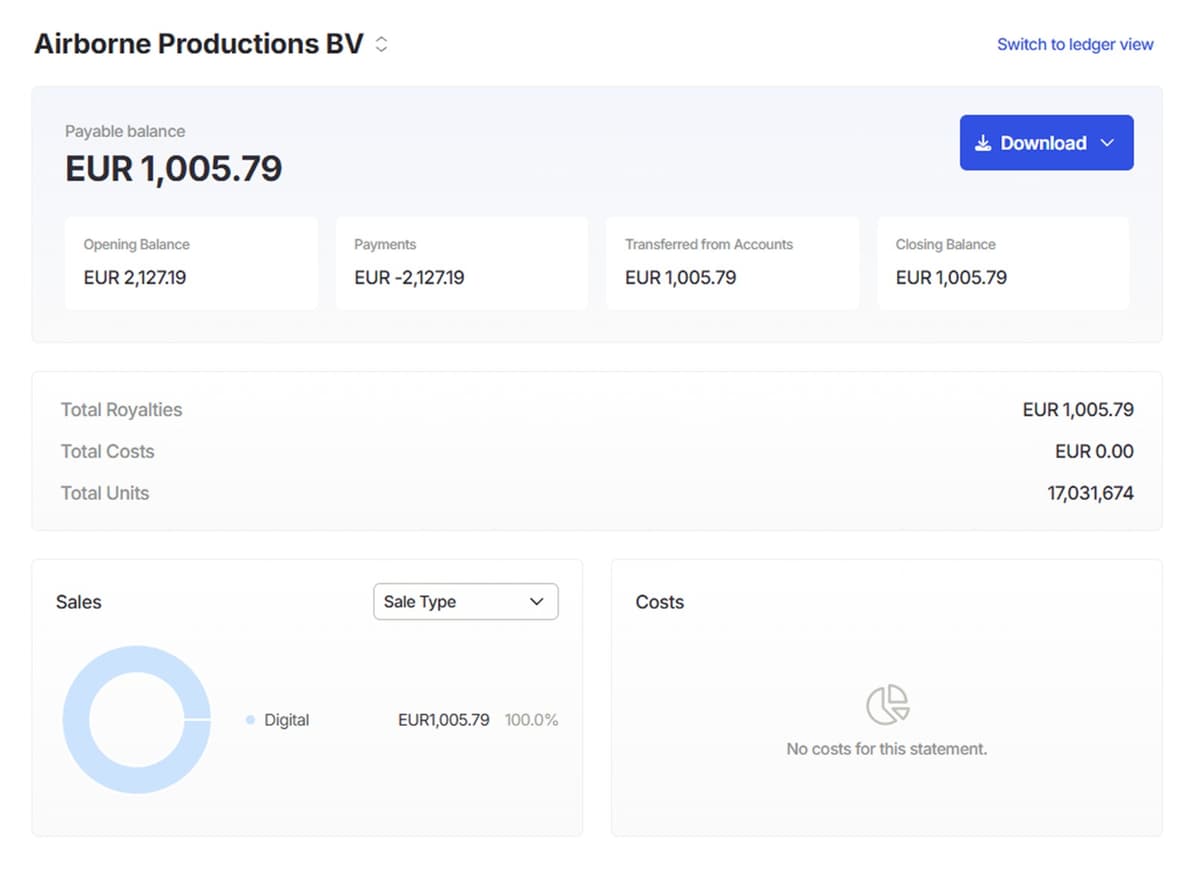
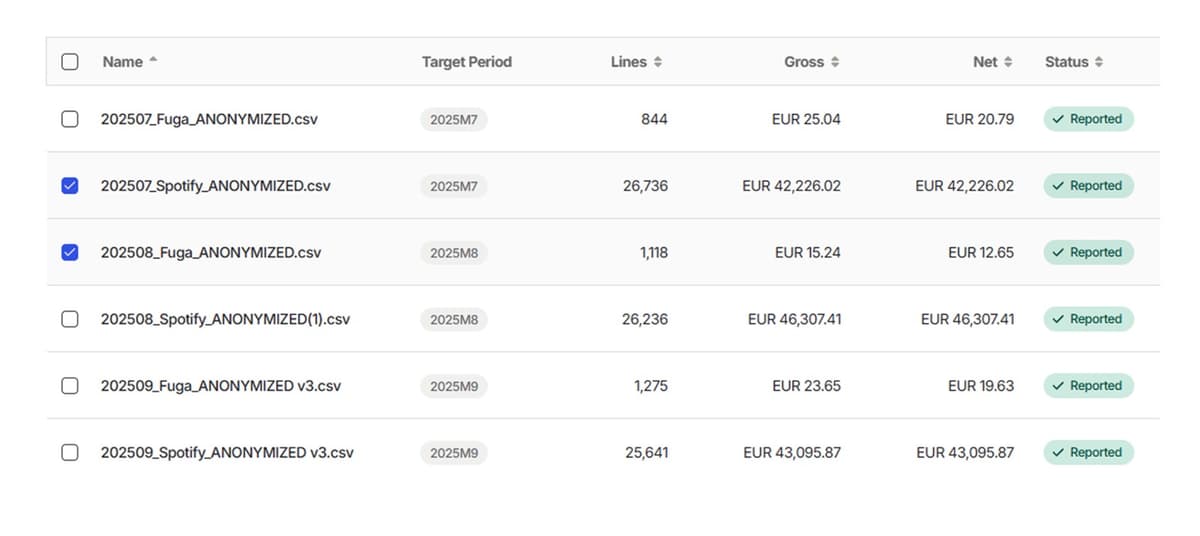
Every royalty calculation starts by matching a sales line to a track and its contracts. When catalog metadata is inconsistent — duplicate recordings, conflicting dates, identifiers that drifted across years of different staff entering data — those mismatches surface as unmatched income and disputed statements. Managing the catalog and calculating the royalties in the same system means a fix in one place propagates to every statement that depends on it.
DDEX ingestion from day one
Catalogs at scale arrive from delivery systems, not from manual entry. Qlero supports DDEX catalog ingestion on every tier, so repertoire data flows in from external systems in the industry's standard format — and the import builder handles CSV and Excel for everything that doesn't.
Ownership that connects to contracts
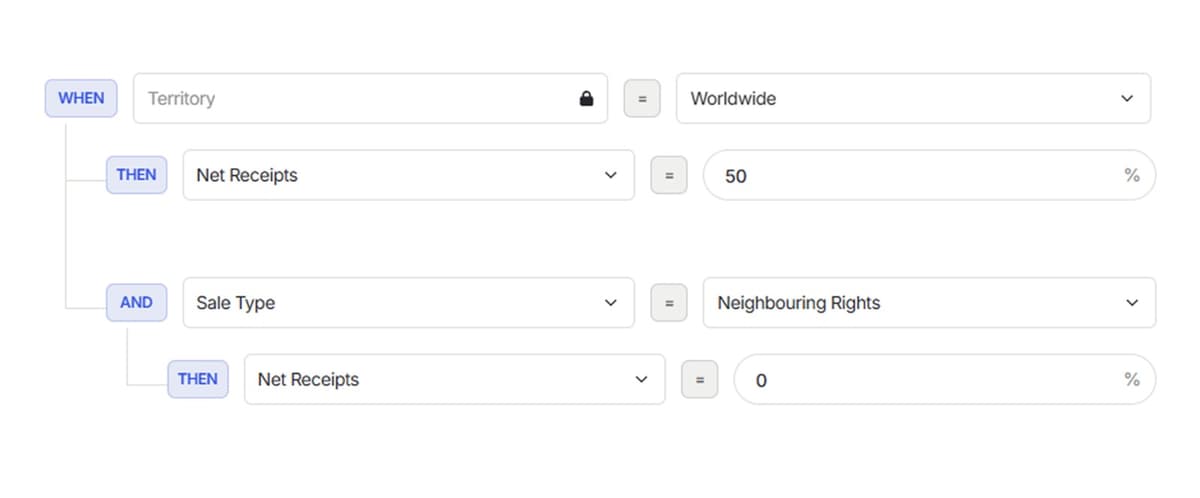
Catalog entries in Qlero link to tree-structured deal models: the splits, advances, and recoupment terms that govern each release and recording. Add a release, and the applicable deal terms follow from the structure — instead of being re-declared in a spreadsheet and drifting out of sync with the contract.
Migrate at the cleanest possible point
Teams with years of accumulated catalog data consistently want to migrate at the cleanest possible point — not drag historical inconsistencies into a new system. A catalog migration into Qlero is a natural forcing function: repertoire is reviewed as it's structured, and the workflow of linking recordings, releases, and deals surfaces gaps that spreadsheets kept hidden.