Free tool

What does your royalty run actually cost?

Five sliders, your numbers. See what the manual process costs per year in team time — and what happens to that number as the roster grows.

Your operation
150
Statement cycle
24 h
€55/h
20%

Your manual royalty process costs about

€5,280

per year, in your team's time

Hours per year

96 h

≈ 2.4 working weeks

Per payee

€35

Next 4 years

€28,343

Each new artist adds contracts, statements, and payment admin — that is the curve below.

60%

Over 4 years

€17,006

The reduction is your assumption, not our promise — set it where you think it belongs, then pressure-test it in a demo.

If the roster keeps growing, so do the hours

€9,124

TodayYear 1Year 2Year 3
Hours keep scalingHours stay flat

Growth premium: €7,223 over 4 years

Book a demo — bring these numbers

45 minutes, your catalog, no slide deck.

Every figure comes from your inputs — nothing is benchmarked or assumed on your behalf. The projection assumes hours scale linearly with roster size. Illustrative, not a quote.

How the numbers are calculated

Hours per run × runs per year × cost per hour. That is the whole model — deliberately, because the point is that every figure comes from your own operation, not from a vendor's benchmark. The growth projection assumes hours scale linearly with roster size, which is how manual processes behave: each artist adds contracts, statements, questions, and payment admin. For what breaks first as the roster grows, see why royalty processing breaks down at scale.

Common questions

How is the annual cost calculated?

Hours per royalty run multiplied by runs per year gives hours per year; hours per year multiplied by your cost per hour gives the annual cost. Cost per payee divides that by roster size, and the projection compounds the annual cost by your expected roster growth, assuming hours scale linearly with the roster. Every input is yours — the calculator assumes no benchmarks on your behalf.
What counts as a royalty run?

Everything between sales files arriving and artists being paid: collecting and importing source files, mapping and validating them, matching to catalog, applying contract terms, calculating the period, reviewing, generating statements, and administering payments. Teams often undercount by only timing the calculation itself — the import and statement admin usually dominate.

Why does the cost grow with the roster?

In a manual process, each new artist adds contracts to apply, statement questions to answer, and payment admin to run — so hours scale roughly linearly with roster size. Platform-based processing breaks that link: templates, automated matching, and self-serve artist portals keep the marginal cost of the next artist close to zero.

Get in touch with us.

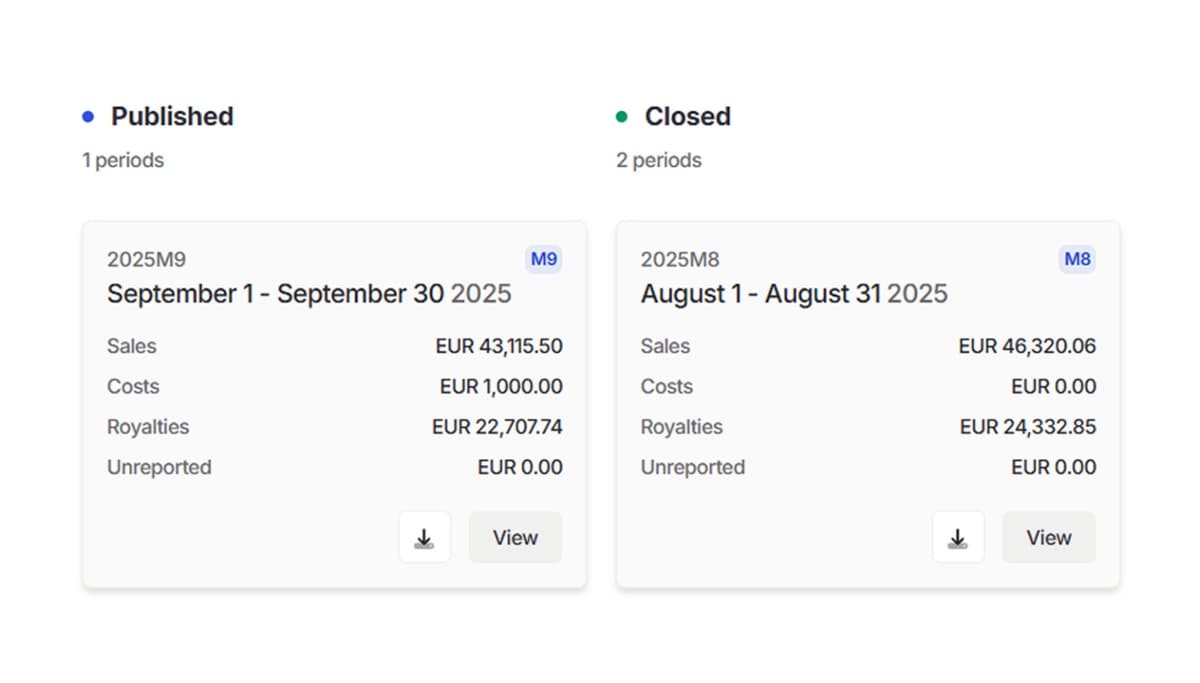
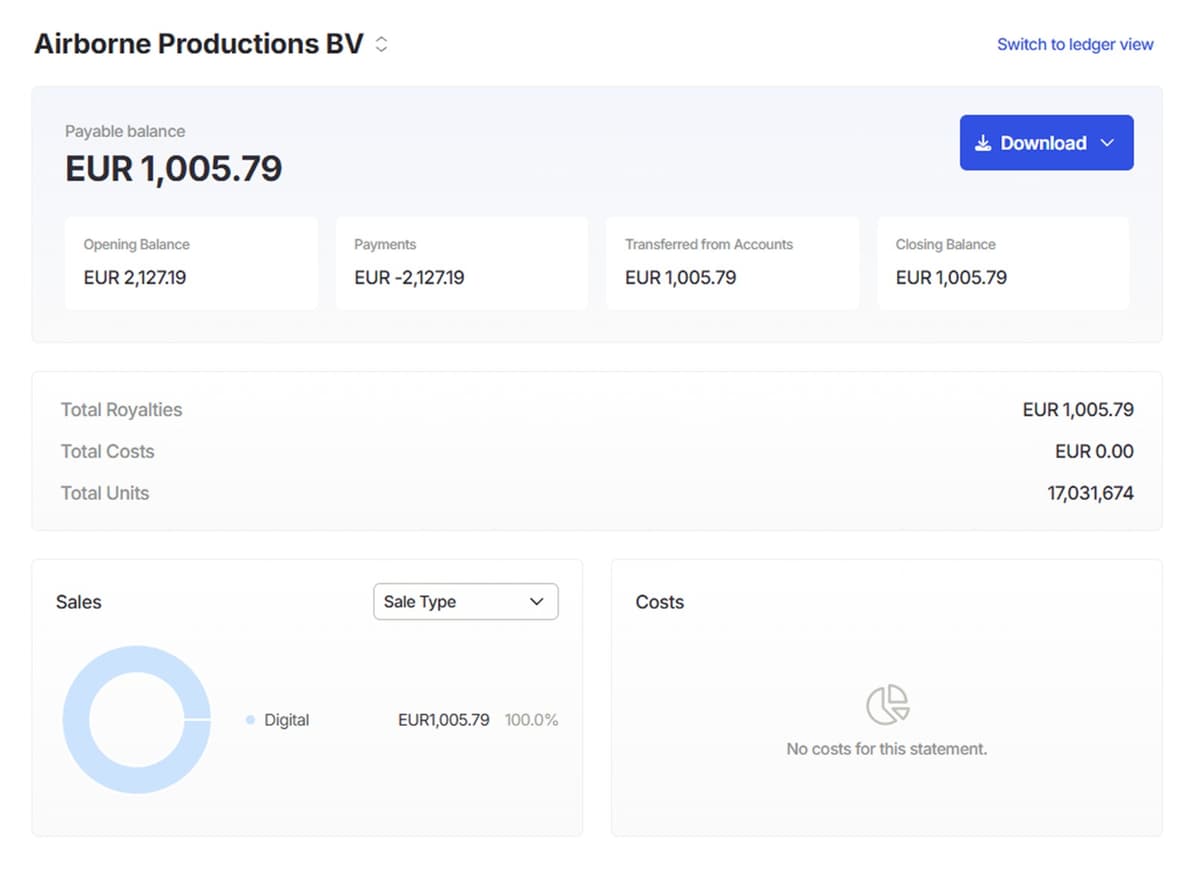
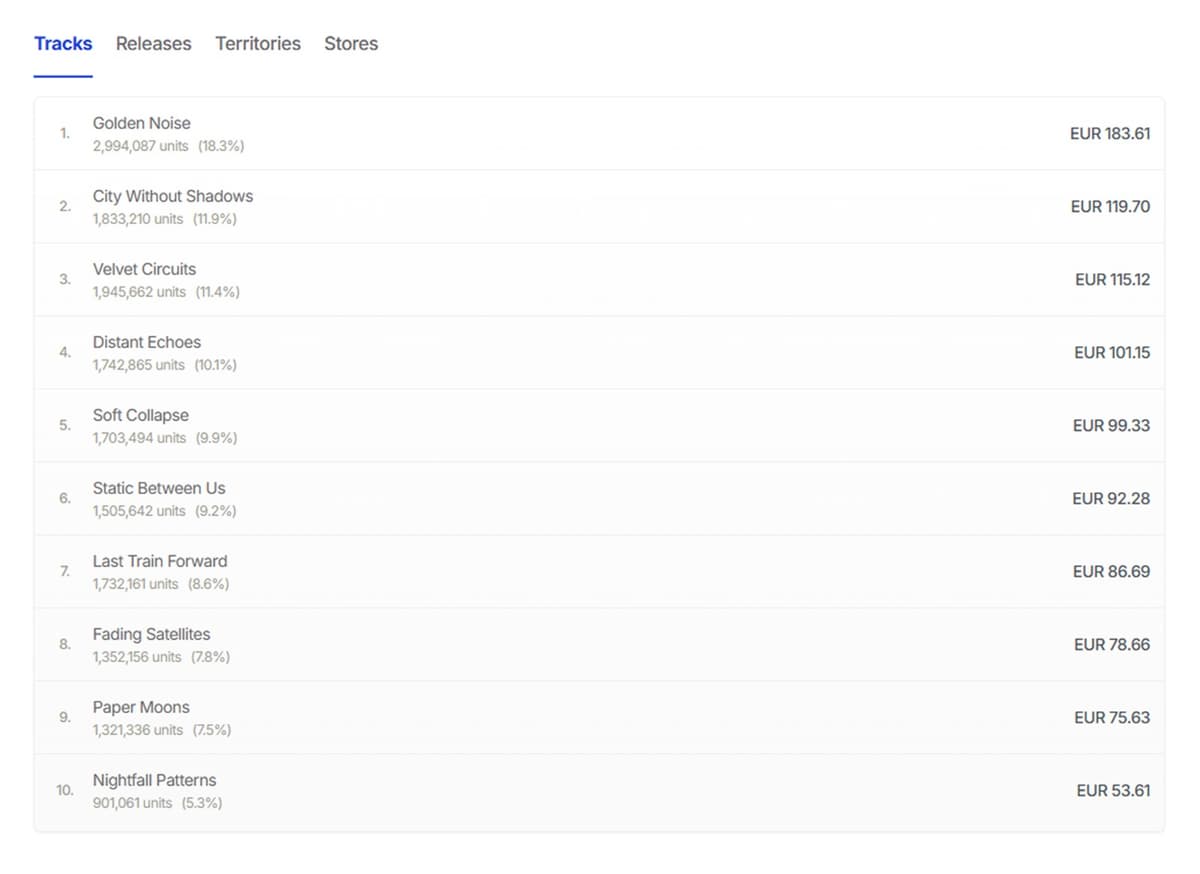
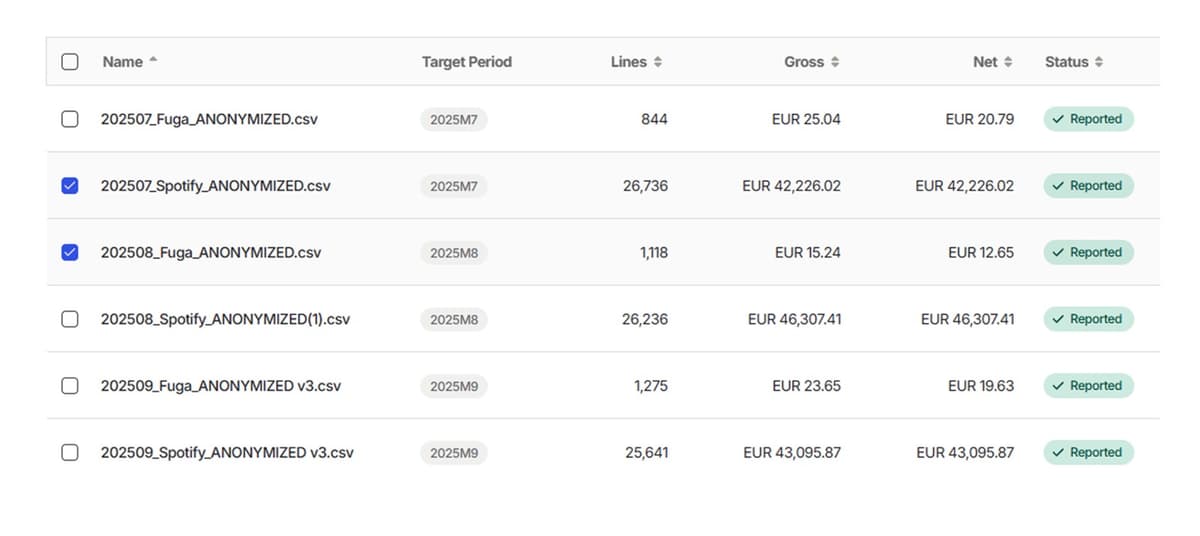
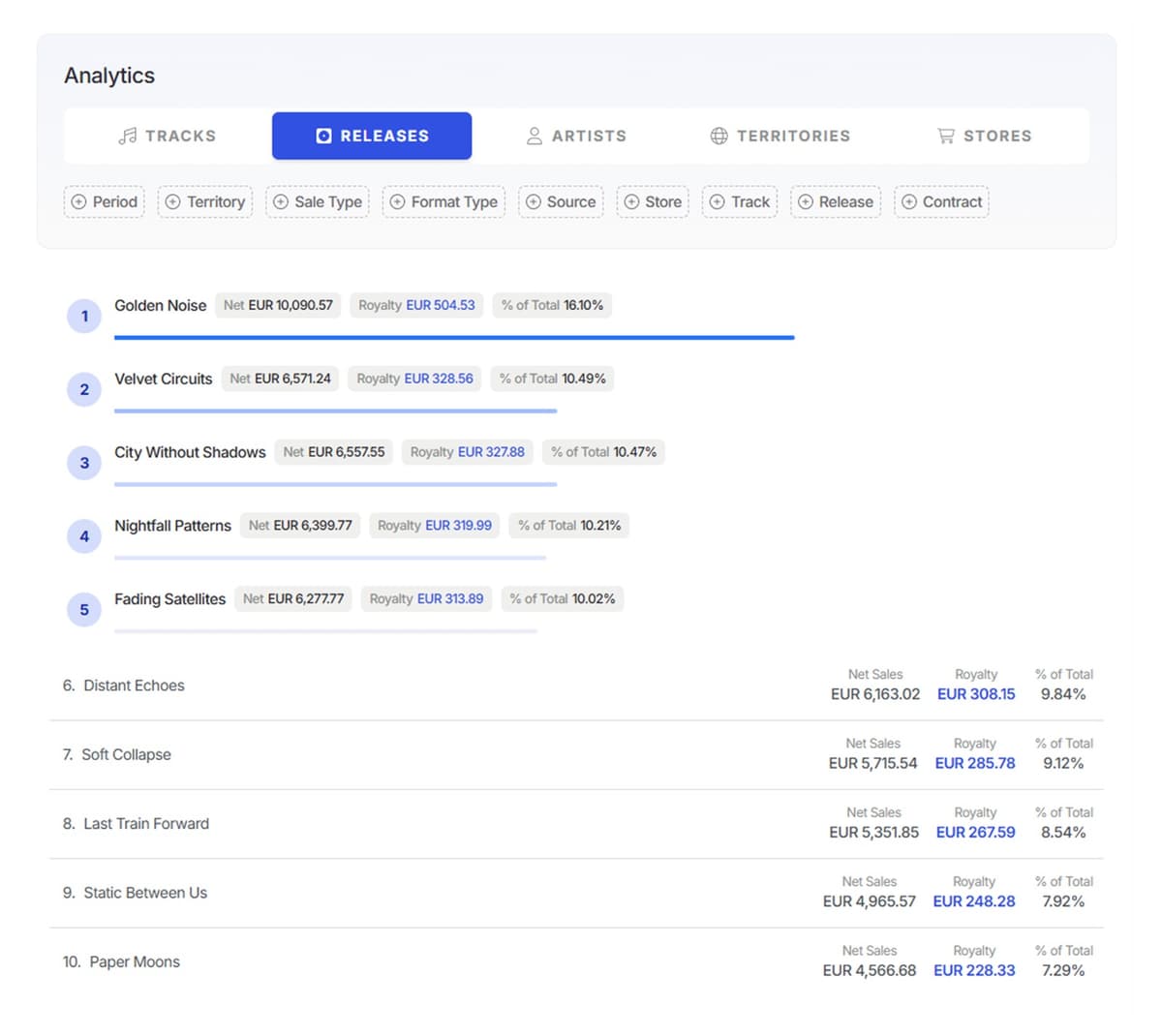
See how Qlero can support your royalty workflow, from catalog and contracts to income ingestion and reporting.

Qlero analytics
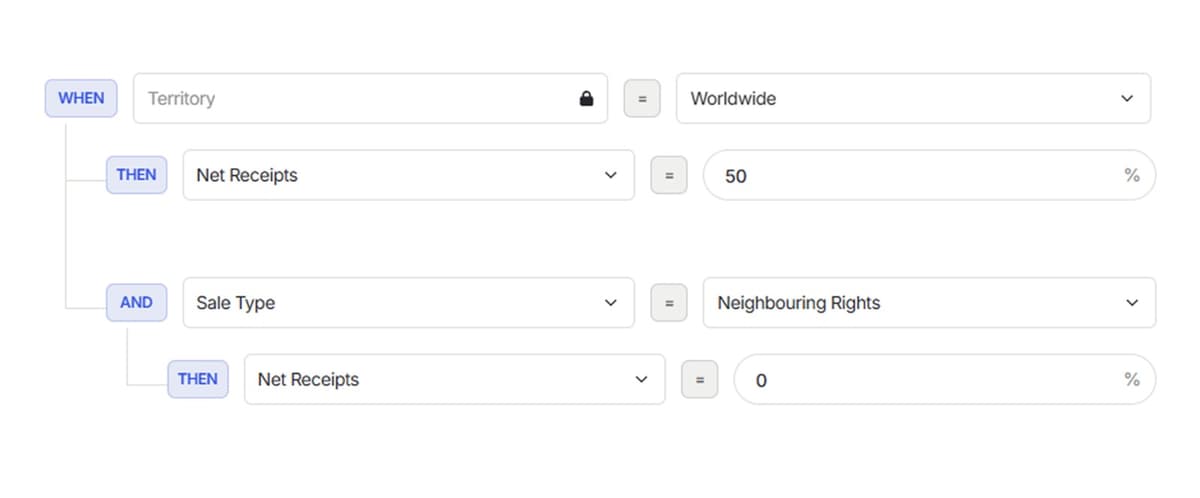
Qlero deal rules
Qlero accounting periods
Qlero artist statement
Qlero top tracks
Qlero sales files
Qlero
Qlero does not provide legal, tax, or accounting advice. Royalty statements and calculations are based on data you and third parties supply.
© Qlero 2026. All rights reserved.