Qlero
Free tool

Advance recoupment calculator

Two questions, one tool. Looking back: when does an advance recoup, and what is payable right now? Looking forward: how much advance can the catalog safely carry? Switch modes below.

Your deal

Release 1

Result

Enter an advance, a royalty rate, and net receipts to see the recoupment position — or watch a year play out first.

Illustrative only — assumes a single rate on net receipts, with no deductions, reserves, escalations, or costs. Real deals are governed by their contracts. Not legal or financial advice.

How the numbers are calculated

Royalties earned are net receipts multiplied by the royalty rate. The advance recoups from earned royalties, so the unrecouped balance is the advance minus royalties earned, and nothing is payable to the artist until that balance reaches zero. Time to recoup divides the remaining balance by expected monthly royalty earnings.

With two releases, the cross-collateralisation toggle switches between one pooled balance (surplus on either release pays down the pool) and fully separate balances (each release pays out its own surplus). Same sales, same rates — the payable amount can differ by the full surplus of the recouped release, which is why this single contract flag matters so much. The worked examples in our guide to complex royalty contracts go deeper on recoupment pools, reserves, and escalations.

Common questions

How is recoupment calculated?

Royalties earned equal net receipts multiplied by the royalty rate. The advance recoups from those earned royalties, and the artist is paid only the surplus above the advance. This calculator applies exactly that: earned = receipts × rate; unrecouped = advance − earned; payable = earned − advance where positive.

What does cross-collateralisation do to recoupment?

With cross-collateralisation, unrecouped balances pool across releases: a surplus on one release pays down the deficit on another before anything is payable to the artist. Without it, each release settles on its own, so a recouped release pays out even while another is still unrecouped. Toggle it in the calculator with two releases entered to see the difference on the same numbers.

How much advance can a label safely offer an artist?

A common approach: take the artist's average payout per month from recent statements, project it over the window the advance should recoup within (often 18–24 months, adjusted for expected catalog growth or decline), and offer a fraction of that — a safety margin of 70–80% rather than 100% — so the advance recoups even if income dips. The calculator's forward-looking mode runs exactly that arithmetic on numbers you enter.

What is a reasonable recoupment window for an advance?

Practice varies by deal and territory, but advances are commonly sized so they recoup within roughly 18 to 24 months at expected earnings. A longer window supports a larger advance but ties the artist to unrecouped status longer; a shorter window is more conservative for both sides. The window is a negotiation input, not a rule — which is why it is a slider here.

Why is my real statement different from this calculator?

Real deals include mechanics this calculator deliberately leaves out: deductions and fees, reserves against returns, escalating rates, territory-specific rates, producer points, and recoupable costs beyond the advance. The calculator shows the core arithmetic; the contract governs the statement.

See Qlero with your workflow.

Bring your catalog, deal terms, or reporting questions. We'll show you the parts that matter to your team.

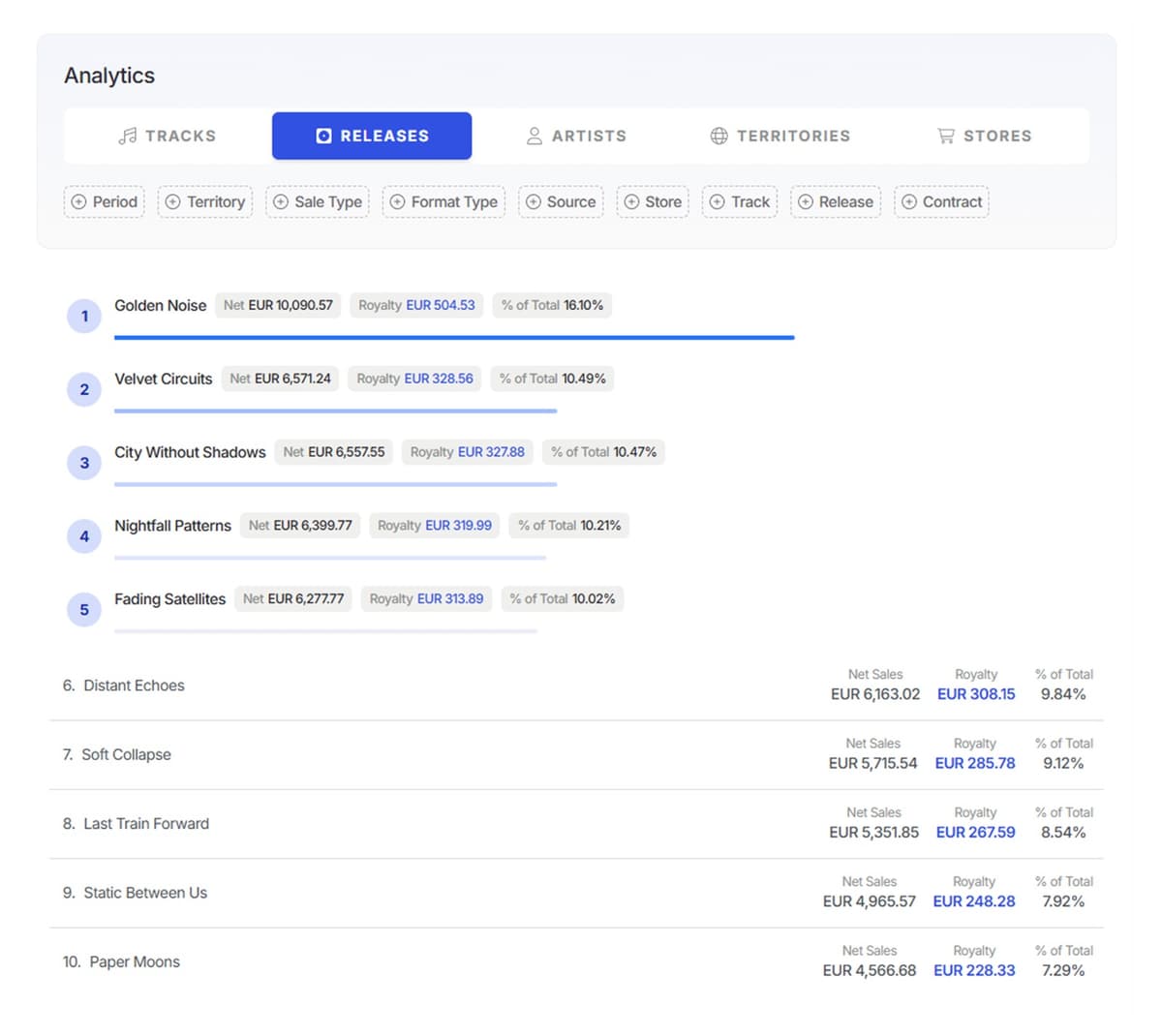
Qlero analytics
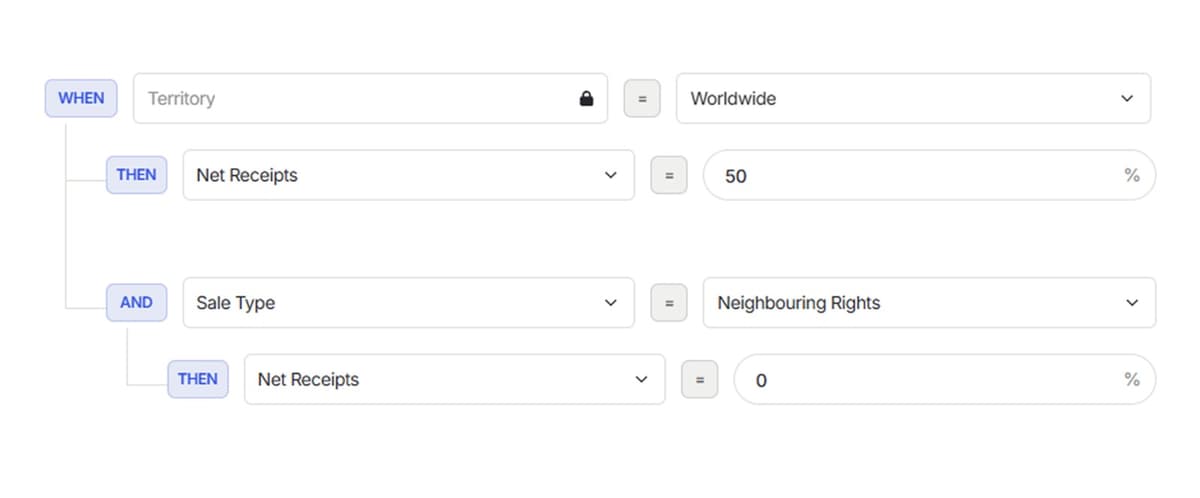
Qlero deal rules
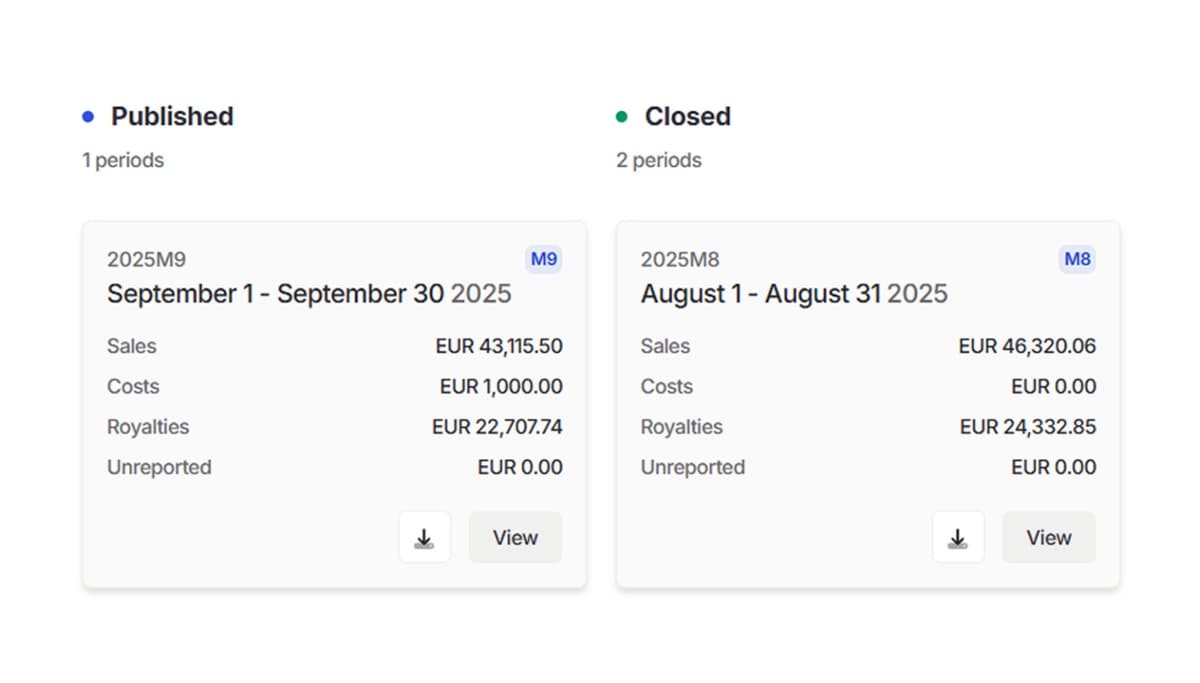
Qlero accounting periods
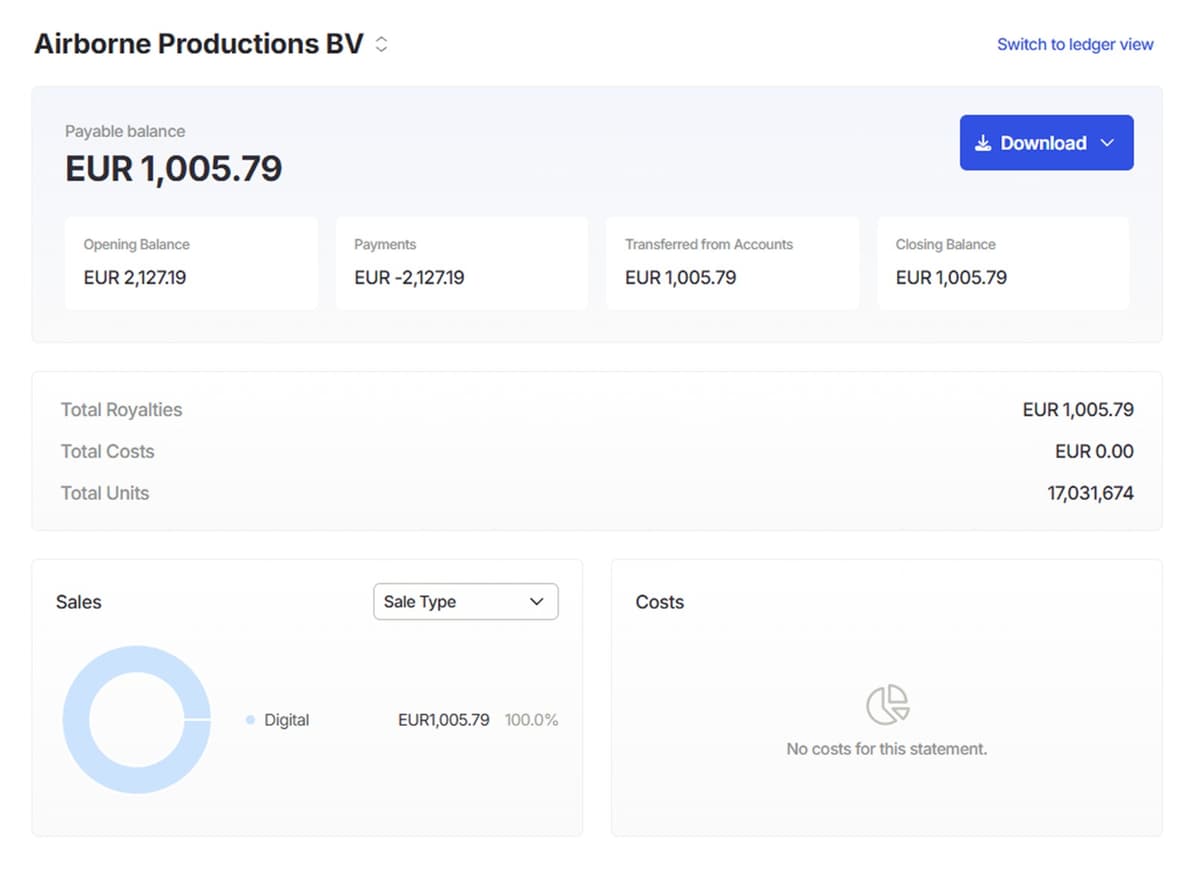
Qlero artist statement
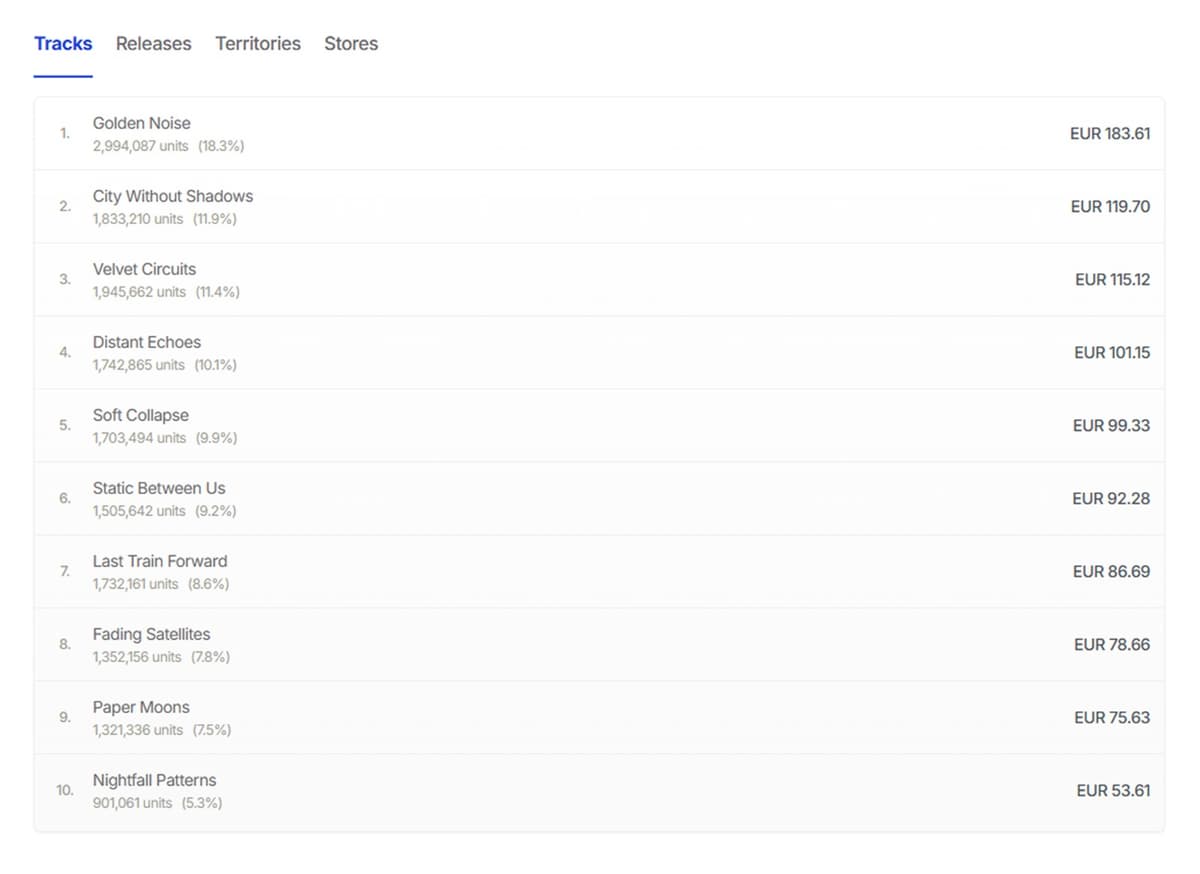
Qlero top tracks
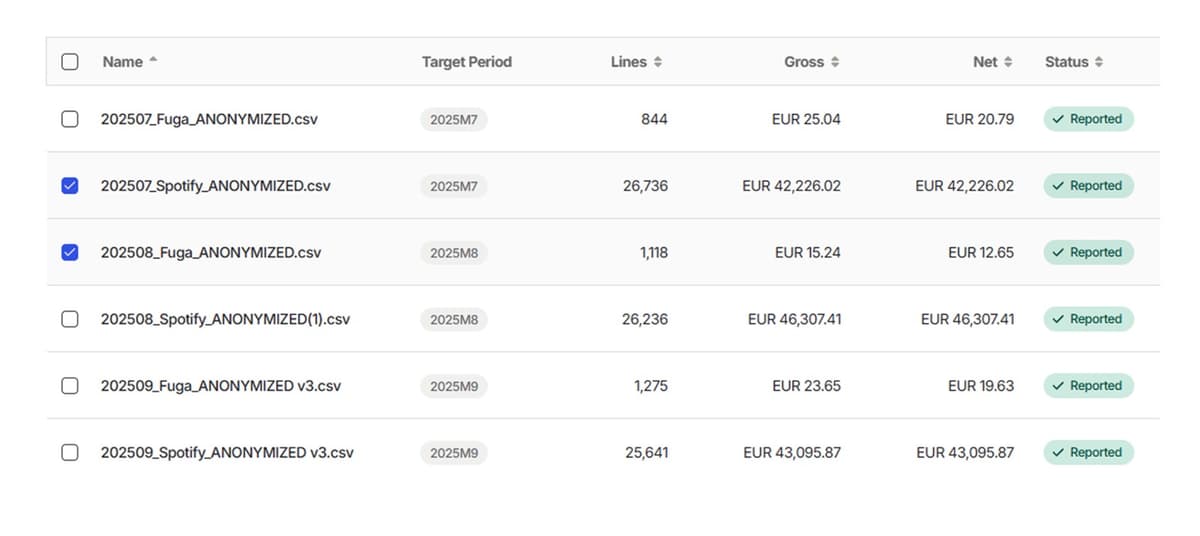
Qlero sales files